In a perfect world, every person we interact with would be pleasant, considerate, generous, and open-minded. In that perfect world, we would establish cordial relationships and learn from every encounter.
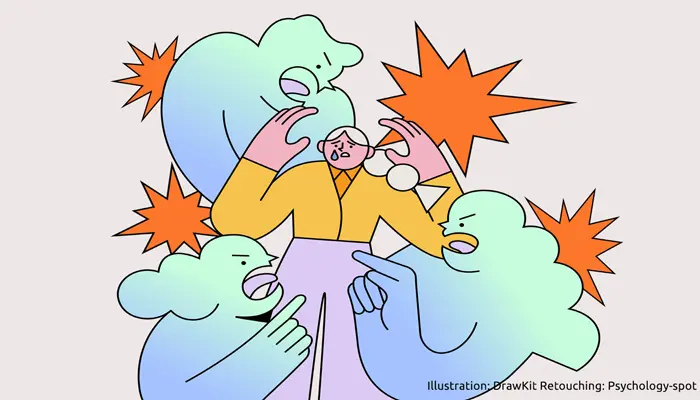
However, we don’t live in an ideal world, and every day we are forced to deal with attitudes that get on our nerves. In fact, it’s hard for those who spend all day in contact with people not to encounter people who behave like garbage trucks, always ready to unload their own boredom, sadness, anger, or worry on someone.
How do you deal with unpleasant people without getting angry and, above all, without losing your emotional balance?
1. Assume that you can’t please everyone
Sometimes we blindly believe in karma. That is, we think that because we are good people, people will also treat us well, that we will receive everything we send out into the universe. However, in many cases, this isn’t the case. Thinking that this law will be strictly enforced is like believing that a hungry lion won’t attack us just because we are vegetarians. Intelligent people are aware of this.
These people know that conflicts and disagreements are the result of differences in value systems and ways of thinking. This isn’t really a negative thing; it’s simply a confirmation that everyone is unique and it’s not always possible to find people who share our outlook on life. When you encounter difficult people, don’t try to please them; accept the differences and limit yourself to finding common ground and avoiding disagreements.
2. Ignore what you don’t like and focus on the positive
Sometimes ignoring means responding intelligently. It’s true that it’s not always easy to take criticism or gratuitous resentment with a good face, but it’s an essential skill if you want to maintain your emotional balance. There will always be people who try to take out their bad moods on you. You can’t avoid it, but you can decide how to react to it.
So, if you want to act intelligently, simply learn to ignore the things you don’t like. Assume that the person in front of you isn’t perfect and focus on their positive characteristics, on the points you have in common that lead to dialogue. To achieve this, it’s often helpful to remember that we aren’t perfect either, and yet many people tolerate us.
3. Respond in a civilized manner
Whatever your feelings toward someone, it’s best not to give in to your impulses, but rather to reflect and find the best solution. In fact, if you respond rudely, you’re likely to receive the same, thus closing the channel of communication and creating an unpleasant situation that could have been avoided.
When faced with an attack, it doesn’t mean you can’t defend yourself, but do so intelligently and without upsetting your emotional balance. If you sink to the other person’s level, the situation will quickly degenerate, and no one will benefit. It’s difficult to put a brave face on bad weather, but diplomacy and serenity are always the best bets.
We often go through life with unrealistic expectations of others. Because of this, we often don’t react to the situation, but instead get frustrated or angry because someone hasn’t met our expectations. People aren’t going to change their ways just to meet our expectations, so it’s a good idea to occasionally ask ourselves if we’re expecting too much.
If every time you meet someone, they behave in a certain way, the smartest thing to do is adjust our expectations so that their behavior doesn’t take us by surprise again and, above all, doesn’t trigger a negative emotional reaction. Don’t let someone’s unpleasant behavior ruin your day just because you weren’t prepared to deal with it.
5. Focus on yourself
Sometimes, no matter how hard we try, there are people so unpleasant that they end up making us lose our patience. In that case, take a deep breath and, instead of continuing to scrutinize the situation, turn your resources inward. Remember that when something bothers or irritates us about someone, it’s because that characteristic resonates within us; it could be a “disowned self.”
The person bothering you didn’t create that trigger, that “delusional focus.” It was us, due to a lack of tolerance. Therefore, from time to time, it’s worth asking ourselves if we’re not being too intransigent. Why does a behavior bother us so much? Identifying the causes of that anger could help you respond with greater equanimity next time.