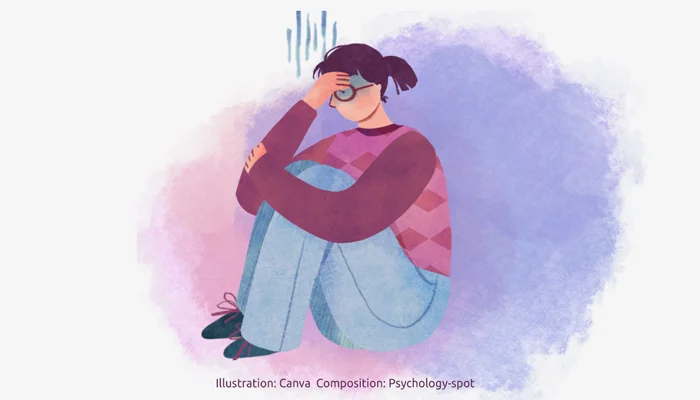
Do you often get headaches and don’t know why?
Sometimes, even if you take a painkiller, the headache persists.
Have headaches become your constant companion in recent weeks?
In those cases, it could be an emotional headache, so you yourself could be the one causing it.
In fact, headaches are one of the most common nervous system disorders: an estimated 47% of adults have suffered at least one headache in the past year. However, there are different types of headaches, although the most common is linked to our emotional state and daily stress. What’s really behind those constant headaches that sometimes leave us feeling out of control?
Tension headache
Tension headaches are the most common type of headache. They affect approximately 70% of the population, which means you’ve probably suffered from them at some point. They usually begin in adolescence and are more common in women.
What are its main symptoms?
– The pain persists for several hours but can sometimes last for several days. In some cases, it can become a chronic and highly disabling problem. In fact, if the headache occurs at least twice a week for several months, it can be classified as chronic.
– A feeling of oppression in the head; it is a dull, non-throbbing pain.
– The pain is generalized; that is, it’s not concentrated in just one part of the head but on both sides. However, it usually radiates to the neck and shoulders.
– They do not cause nausea or vomiting.
This headache is usually caused by musculoskeletal problems in the neck, primarily due to tension or contraction of the muscles. As a result, tension headaches have a strong emotional component, as we typically react to stress, anxiety, or even depression with physical tension.
What is the relationship between emotions and headaches?
Throughout the day, we experience many emotions, although we aren’t always aware of them, and of course, not all of them are beneficial. The tension caused by a setback, anxiety, anger, and sadness not only affect our mood but also generate changes at the metabolic level.
For example, stress is known to generate large spikes in cortisol, a hormone that causes physiological changes such as increased blood pressure, increased muscle tension, and dilated veins. Furthermore, when we are sad, anxious, or tense, levels of endorphins, hormones linked to relaxation that can prevent the onset of headaches, decrease. At the same time, our emotional tolerance for problems decreases, and our pain threshold decreases. All of these physical and emotional changes cause headaches or worsen them.
In reality, each of the emotions we experience triggers changes in our body that are expressed through different signals. Many negative emotions are expressed through physical pain and are a warning sign. Therefore, sometimes, instead of simply taking a painkiller to relieve headache, we should ask ourselves what’s happening.
That emotional headache is a sign that we need to take a break from our daily routine and rethink some things. Perhaps you’re working more than is considered healthy, or you’re taking a situation too seriously, or you simply need a break. Either way, emotional headaches aren’t something to be ignored.
How to avoid emotional headaches?
One clue comes from a study conducted at Ohio State University that analyzed the role of emotional factors in the onset of recurrent headaches. After analyzing 291 people, 117 of whom suffered from headaches frequently, they discovered that they were subjected to highly stressful daily situations beyond their control.
However, what is most interesting is that people who did not suffer from recurrent headaches also experienced some of these situations. However, they used more effective coping strategies and minimized the emotional impact of the problems. In contrast, those who suffered from headaches tended to blame themselves for their problems and withdraw into themselves, denying help from others. This indicates that it is not the situations themselves that cause headaches, but rather our interpretation of them and our emotional reaction to them.
In fact, this isn’t the only study to reach these conclusions. Psychologists at the University of Missouri-Saint Loui followed more than 500 young people over a six-month period and noted that those who reported headaches more frequently also had higher levels of anxiety and a tendency toward victimization. When anxiety and guilt decreased, so did the headaches.
Therefore, to avoid emotional headaches it is necessary to:
1. Develop an internal locus of control, which means you must stop blaming yourself and start taking control of your life, wherever you can.
2. Learn to manage negative emotions, such as anger, so they don’t accumulate and harm you. To achieve this, the first step is to recognize them, experience them, and finally, let them go. The “leaves in the river” visualization technique will be very helpful.
3. Reframe problems, realizing that situations themselves aren’t stressful; it’s the meaning you give them. It’s very helpful to learn to distance yourself emotionally from situations, as if you were an outside observer.
4. Set aside at least two hours a day for relaxation. You can practice meditation, breathing exercises, or even listen to music quietly or read a good book. The important thing is to free your mind from everyday problems during this time.
5. Stop brooding over your worries and instead adopt a more proactive attitude. It’s important to realize that dwelling on problems over and over again won’t solve them. Instead, you should strive to find solutions and implement them.
References:
White, K. S. & Farrell, A. D. (2006) Anxiety and Psychosocial Stress as Predictors of Headache and Abdominal Pain in Urban Early Adolescents. Journal of Pediatric Psychology; 31(6): 582-596.
Holm, J. E. (1986) The Role of Stress in Recurrent Tension Headache. Headache: The Journal of Head and Face Pain; 26(4): 160–167.