Throughout life, we have to face many difficult conversations. We are forced to address topics we’d rather not talk about, acknowledge uncomfortable truths, or even bring up old, latent conflicts that continue to cause friction in order to try to resolve them.
There is no magic wand to deal with these conversations, although they often cause us so much distress that we look for quick solutions in assertive communication manuals or in videos of gurus who promise to have the “infallible remedy” to address these complicated issues without everything getting out of hand.
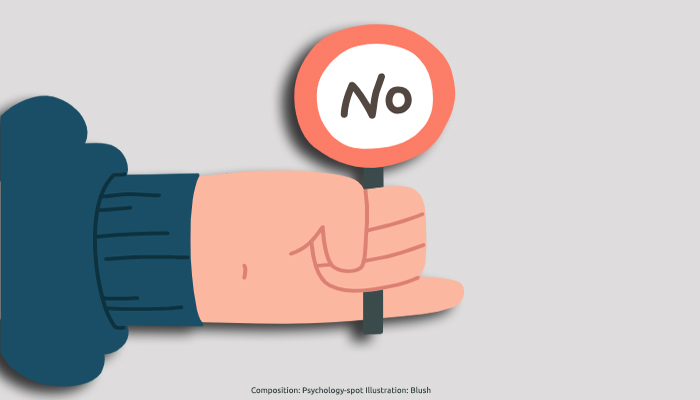
However, while there are countless techniques for being more assertive, there’s an essential truth we often forget: to reach an agreement, we must first accept that the other person has the right to be an obstacle to our desires. Respecting another person means understanding and accepting that they have the right to refuse.
The myth of all-powerful assertiveness
The widespread (and often misinterpreted) concept of assertive communication has led us to believe that if we don’t reach an agreement, it’s because we aren’t convincing enough. We’ve been sold (and readily bought into) the illusion that there’s a “sure path” to agreement, so all we have to do is learn to structure our sentences better, stay calm, or speak in the first person, and everything will be fine.
Obviously, all those tools can help, especially for those who tend to have an aggressive communication style or are unable to clearly express their needs, but believing that assertive communication is the master key that opens all doors is a mistake (and a big one).
The problem lies in viewing assertiveness as a purely personal act, as if speaking clearly and defending our position were enough. In that case, assertiveness becomes an egocentric gesture, a mirror where we only see ourselves reflected to reaffirm our importance, ignoring that communication is a dyadic phenomenon.
You can carefully choose your words and maintain a positive attitude, but that’s not enough if you’re unable to put yourself in the other person’s shoes. And by putting yourself in the other person’s shoes, I mean recognizing that when you talk to someone, you enter a shared space where needs, boundaries, and egos can diverge.
Assuming that, because we are assertive, the other person will also behave assertively means starting with excessively high expectations that will likely lead to frustration and derail any possibility of agreement. Ultimately, we can only control our own behavior; we cannot predict the reactions of others. As Marcus Aurelius advised centuries ago: “You have power over your mind, not over events. Realize this and you will find strength.”
Accept that others can sabotage your best intentions
When we believe that our words and boundaries should be automatically accepted or understood simply because we express them assertively, we overlook the inevitable existence of the other person as an autonomous subject, with their freedom to disagree. The illusion of control offered by assertiveness reveals itself as an act of self-aggrandizement in which we attempt to impose ourselves on the other person’s reality, rather than engage in dialogue with it.
On the other hand, accepting that the other person might be an obstacle to your goals or that they might refuse is an extremely liberating first step. If you internalize this idea, the conversation ceases to be a battleground where winning means persuading the other person and begins to transform into a space for exploration where both parties can express what they feel and think, even if they don’t agree on many points.
The other person has the right to resist, be annoyed, or even refuse altogether if they believe what you’re asking goes against their values or deepest beliefs, or if they’re simply not convinced. Just as you have the right to ask or inquire, the other person has the right to refuse and remain silent.
Accepting this doesn’t mean resigning ourselves to it, but simply being realistic, recognizing the other person’s individuality, and acknowledging that, however assertive we may be, conversations won’t always be successful. When we internalize that resistance from others is part of the negotiation process, we let go of unrealistic expectations and truly begin to create space for communication and mutual understanding.




Leave a Reply