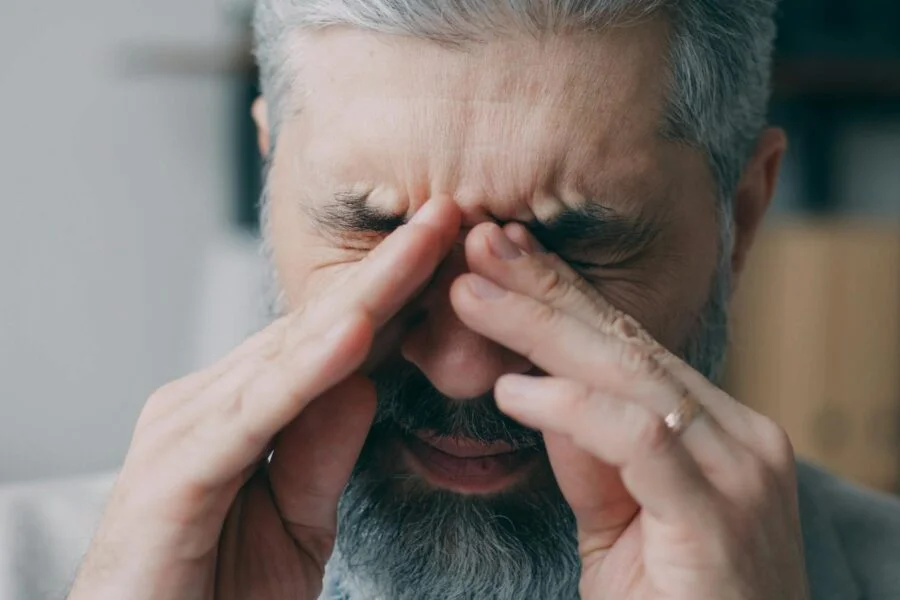
Although the term is little known, even among mental health professionals, the fear of driving is called “amaxophobia” and affects 33% of drivers on our roads today. This disorder falls under the umbrella of agoraphobia, which is understood as the fear and excessive anxiety in situations where there is no escape.
These individuals begin to experience rapid heartbeat, sweating, shortness of breath, muscle tension, and even dizziness and vertigo when they get behind the wheel. This happens because they perceive other drivers as dangerous, thus making traffic a threat. Since they believe they lack the tools to cope with this perceived risk, they simply become nervous and feel the urge to escape the situation.
The MAPFRE Road Safety Institute recently conducted a study involving more than 1,500 people and found that 64% of women and 36% of men who drive suffer from this phobia in some form, with varying degrees of severity. Interestingly, most of the women who suffer from amaxophobia are between 30 and 40 years old and are regular drivers on city streets. Their primary fear is driving on a highway.
In the case of men, this same study indicates that 40% of those who suffer from amaxophobia have witnessed a car accident. However, this causal factor decreases to 25% in women, probably because women are more inclined to express their feelings and can therefore overcome this traumatic experience more easily. Furthermore, another problem related to men who suffer from amaxophobia is that very few seek specialized help because they are ashamed to admit they are afraid of driving.
In other cases, it’s not a car accident that triggers amaxophobia; it appears without any apparent cause, even among the most experienced drivers who have been behind the wheel for years. Following the first anxiety attack, a vicious cycle develops where the fear of reliving the same distressing situation predominates, and this fear triggers new, increasingly intense attacks.
Finally, inadequate preparation for road hazards is another factor that can contribute to amaxophobia. Obviously, a lack of experience can generate insecurity and fear, which in turn can trigger panic attacks in certain situations perceived as dangerous.
Other factors that can worsen the symptoms of amaxophobia include atmospheric changes such as excessive rain or very slippery pavement due to ice. The responsibility of driving children or traveling in borrowed cars also adds tension to an activity that is already stressful for the individual.
Obviously, the main problem with amaxophobia is that it limits people’s freedom of movement and restricts the activities they can do, since they can’t travel in their own car. In fact, the vast majority of people admit that they forgo certain activities to avoid using their car.
The treatment of Amaxophobia
This particular type of phobia is usually treated with a multi-pronged approach, where the first step is to change people’s perceptions of the threat posed by traffic. Next, driving skills are developed so the person perceives themselves as more competent, and only lastly are panic attacks addressed.
The ultimate goal is for the person to be able to gradually and safely expose themselves to driving. Importantly, I should add that among all phobias, this one has one of the highest success rates in treatment. Between 90 and 95% of those affected manage to overcome their fear and return to driving normally.
Source:
MAPFRE (2005) Amaxofobia: el miedo a conducir. In: Fundación MAPFRE.




Leave a Reply