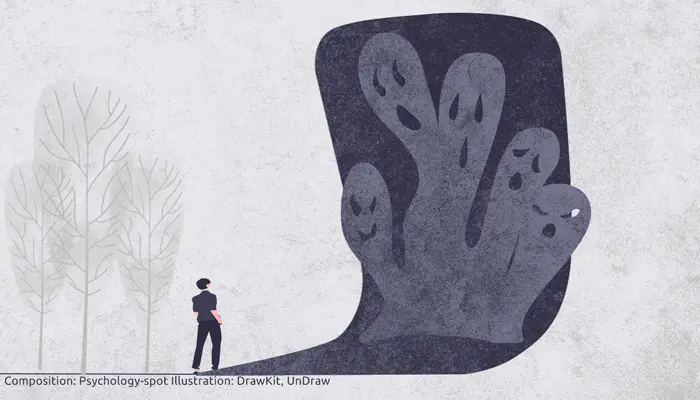
“If I dare, I can do it.”
“If I have confidence, everything will turn out well.”
“If I motivate myself, I will achieve it.”
“If I feel better, I can help him.”
All of these ways of thinking contain a trap so common we don’t even notice it: the idea that we must first get into the right frame of mind before acting. In other words, to act well, we must feel good.
And of course, following that logic, when you don’t feel well, what do you do? Nothing. You stop. You justify yourself. You dig in your heels. You feel worse. You treat others badly. And so begins a vicious cycle that is very difficult to escape.
Mortgaging action to emotions
We live in an age that has elevated emotions to the status of a moral compass, a guide to conduct, and a measure of authenticity. In contemporary discourse – fueled largely by simplistic self-help, wellness culture, and toxic optimism – the idea has become entrenched that we must feel good to do things well.
As a result, emotional state has implicitly become a requirement for virtuous, responsible, or effective action. The idea that action depends on emotional state is so ingrained that we believe feeling is the prelude to doing, and we associate it with authenticity and emotional coherence. If I’m unmotivated, I don’t produce. If I’m feeling anxious, I hold back. If I’m angry, I take it out on others…
This logic makes emotion a sine qua non condition, which can lead us to live in a model where emotion rules and behavior obeys. But what if this is a flawed premise? What if acting well doesn’t depend on being well? What if, in many cases, acting well is precisely what allows us to begin to feel a little better?
After all, what merit is there in being kind when everything is going well? What depth is there in being generous when you feel fulfilled? What virtue is there in doing what is right when everything in you is cooperating? The true moral dimension of an action is often revealed when one chooses to do what is right or necessary, even if it costs them.
Being exhausted doesn’t stop you from doing the right thing
From a young age, we’ve been taught a kind of “reverse emotional logic.” First, think positively, then feel good, and then you’ll be able to act or achieve what you want. We were taught to develop the right attitude and wait for the spark that will make everything easier.
But the truth is that that spark doesn’t always ignite. The desire doesn’t always appear. The muses don’t always arrive. We’re not always motivated and in tune with the universe. So we have two paths:
- Turning that emotional state into an excuse for not acting, using it as a justification to escape our responsibilities and a pretext to stay in our comfort zone.
- Doing what we have to do, even if we’re not in the mood, even if we don’t feel like it, even if it’s hard, simply because we can and we should. Simply because it’s important that we do it.
The truth is, you don’t always have to be well to act well. We’ve all done valuable, righteous, or necessary things in times when we didn’t feel “well.” The mother who cares for her child while crying inside. The student taking an exam in the midst of an emotional crisis. The professional doing their job while grieving. It’s in those moments that we prove our worth – not just to the world, but to ourselves as well.
The right balance
It’s not about forcing, denying, or repressing emotions. It’s about recognizing that there’s often a gap between what one feels and what one does, and that this gap, far from being a symptom of falsehood, can be a sign of maturity.
We are not our emotions – or at least not just that. Emotions are not the captain of the ship. In fact, sometimes they behave more like loud, intense, and even dramatic passengers who want to convince us they should take the helm.
Emotions are compasses. They are valuable internal signals that inform us about our needs, limits, and desires. But they are not commands. They don’t exist to be obeyed, but to be listened to intelligently. Feeling sad doesn’t force us to isolate ourselves. Feeling insecure doesn’t stop us from trying. Feeling tired doesn’t always justify giving up.
Learning to act well in the midst of discomfort is one of the greatest skills we can develop as functioning adults. If we waited until we felt well to act appropriately, we probably wouldn’t get out of bed for days, wouldn’t keep commitments, wouldn’t build lasting relationships. We wouldn’t exercise, wouldn’t write books, wouldn’t set boundaries, wouldn’t care for others.
If you’re wondering:
- “How am I going to go to dinner if I’m not in the mood?”
- “How am I going to help someone if I’m not well myself?”
- “How am I going to undertake the project if I don’t feel secure? “
The answer is: because you can. Because being human is being contradictory. Because feeling and acting don’t always go hand in hand – and that’s okay. You’re not betraying your deepest self by doing what’s right or what’s necessary. You’re practicing something much more mature: responsibility.
Walking makes the road: The power of small acts
It’s worth clarifying that acting well isn’t about pretending everything’s going great. It’s not about pretending, adopting an unrelentingly positive attitude, or denying our feelings. It’s about acting responsibly, with intention, and purpose.
Sometimes, acting well means asking for help. Other times, it means fulfilling a duty, even if it’s hard. Other times, it’s simply following the routine despite the emotional chaos. It’s not always about grand gestures. Often, that “good” translates into small, coherent decisions that don’t require emotional permission.
Interestingly, acting kindly isn’t always a byproduct of emotional well-being; sometimes it’s its precursor. Action can have a regulating, structuring, and restorative power that affect alone doesn’t offer. In fact, the term euphoria, or helper’s high, refers precisely to the positive emotions and sense of well-being we experience after performing acts of kindness or helping others.
This phenomenon is linked to the release of endorphins, mood enhancers, and other neurotransmitters such as dopamine and serotonin, associated with pleasure and reward. In other words, helping others, even if we’re not well, can make us feel better.
For this reason, doing something good or taking a small step in the direction you want to move can empower you, motivate you, and make you feel better than repeating a thousand motivational quotes.
These small gestures are displays of personal sovereignty. They tell your brain: “It’s not just emotions that rule; judgment, willpower, common sense, and values also matter.” In reality, the desire, motivation, or aspiration often appear after we begin, not before.
In behavioral activation therapy, for example, an attempt is made to increase a person’s activity and involvement in rewarding activities to improve their mood and reduce the symptoms of depression, anxiety, and other mental disorders that often thrive on patterns of avoidance, withdrawal, and inactivity.
Today, cultivating the ability to act well, even if we’re not at 100%, is also a form of resistance to a wellness culture that demands we feel fulfilled to be valid, to the emotional hedonism that equates discomfort with failure, to the modern tendency to postpone life until our minds sort themselves out. Because sometimes our minds don’t sort themselves out completely. And in the meantime, life just keeps going.
Accepting that you don’t always have to be well to act well isn’t a message that downplays mental health. On the contrary, it frees us from emotional tyranny, restores power to behavior, and reconciles us with a broader and more realistic vision of life. A vision in which discomfort doesn’t paralyze, but coexists with action; in which sadness doesn’t interrupt what’s important, but accompanies it; in which we don’t need to wait for the right emotion to move in the right direction. And that’s worth it.
References:
Dossey L. (2018) The Helper’s High. Explore; 14(6): 393-399.
Jacobson, N.S. et. Al. (2006) Behavioral Activation Treatment for Depression: Returning to Contextual Roots. Clinical Psychology; 8(3): 255-270.




Leave a Reply